How a contested hilltop east of the Ayalon became the most exclusive square kilometre in Israel. [6 min read]
For all the noise of Tel Aviv — the scooters, the markets, the sea air thick with salt and frying — there is a place near the centre of the city where almost none of it reaches you. Step off the Ayalon, pass through a gate, and the street noise falls away. In its place: a wide green avenue, mature trees, a row of towers standing apart from one another with the deliberate spacing of chess pieces. This is Park Tzameret, and it was built on purpose to feel like an island.
The name itself is a clue. Tzameret means a treetop, a canopy, a summit — the highest part of something. The planners who drew up the neighbourhood in the early 2000s wanted both meanings at once: a residential quarter set among gardens, and a place that sat, socially and literally, at the top.
A neighbourhood drawn from a blank page — The master plan
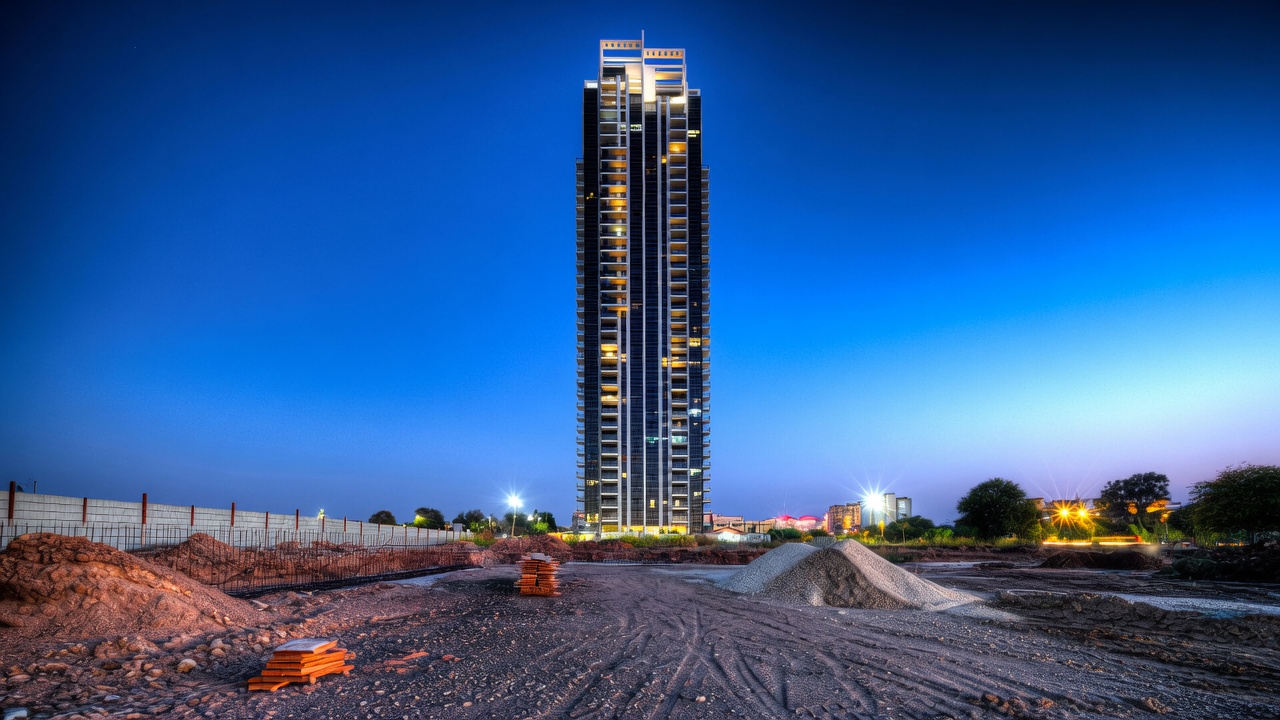
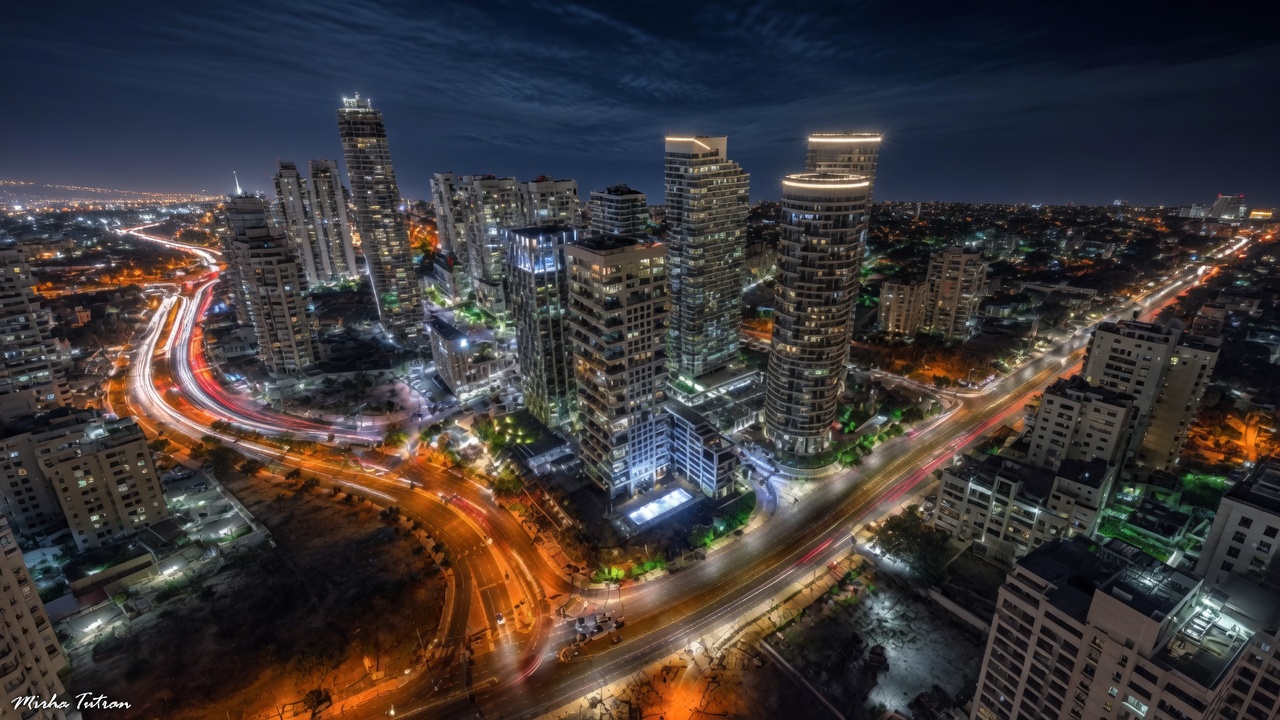
Most Tel Aviv neighbourhoods grew by accretion — a Bauhaus block here, an apartment building there, a café spilling onto a corner over decades. Park Tzameret did not. It was master-planned in one stroke on roughly 133 dunams of land between Derech Namir and the Ayalon Highway, with a brief modelled on the great residential set-pieces of London and Paris: towers in a park, rather than streets of buildings.
The defining decision was restraint. Only a small fraction of the ground — under a fifth of it — would ever carry a building. The rest was given over to lawns, a central tree-lined avenue, and two squares anchoring the north and south ends. Density would go upward, not outward, so that residents of eleven-plus towers could share fewer than two thousand homes and still feel they lived in a garden.
That arithmetic — many floors, few footprints, enormous gaps of green between them — is the whole idea. It is why a flat in Park Tzameret feels nothing like an apartment on a busy boulevard, even though both sit minutes from the same highway.
The ground beneath the towers — A contested history
The neighbourhood’s polish sits on a complicated past, and it is worth telling plainly. The land was once part of a village called Jamasin al-Gharbi, depopulated in 1948. In the years that followed, the empty houses sheltered Jewish refugees, and the area became known as Giv’at Amal. When the master plan arrived decades later, the remaining Giv’at Amal residents faced displacement, and the question of their compensation became a long and bitter legal struggle that ran alongside the construction cranes.
A serious account of Park Tzameret does not skip this. The gardens and glass towers are real, and so is the history they were built over. Both belong in the same paragraph.
Yoo opens the gate — 2007
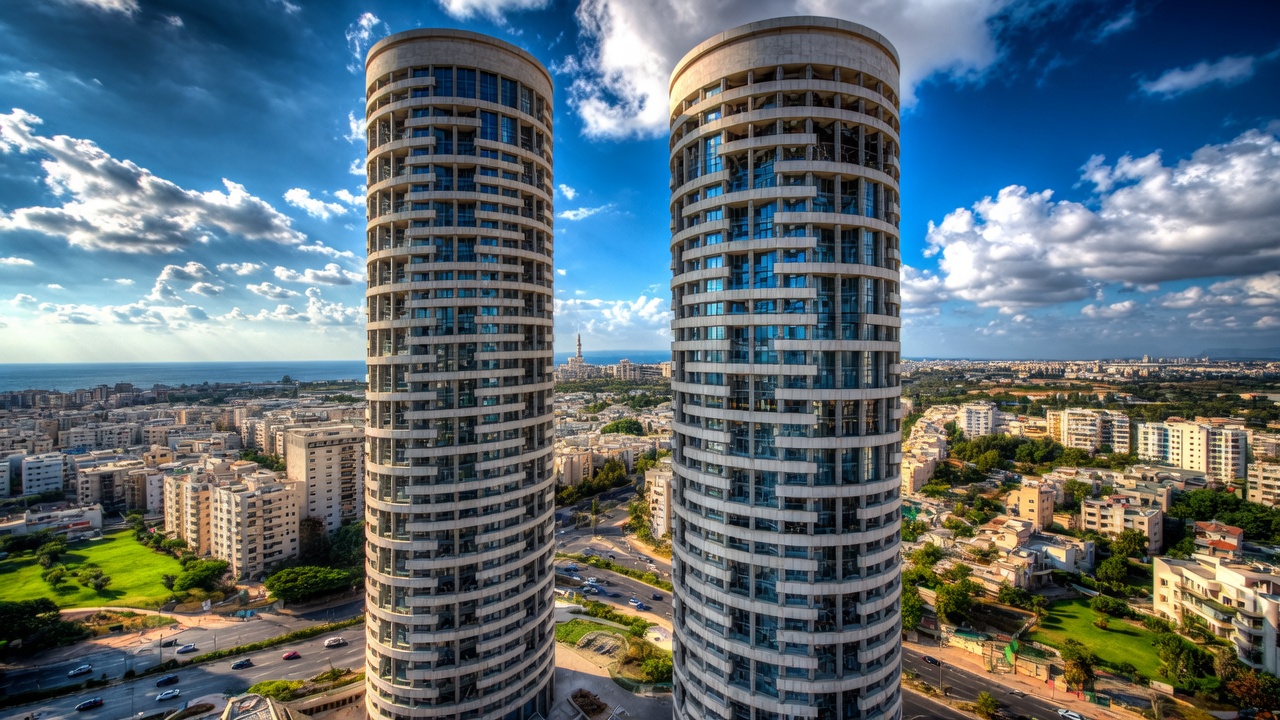
The plan was approved in 2002, but the neighbourhood only became real when its first project topped out. That was Yoo Tel Aviv — two pale, curved towers designed by Philippe Starck, finished in 2007. They set the tone for everything that followed: international design names, resort-grade amenities, and prices to match. Once Yoo proved the market, the rest of the towers rose in sequence over the following decade.
Today Tzamarot Ayalon, the wider district Park Tzameret sits within, is routinely described as the wealthiest neighbourhood in Israel. The buyers came from the worlds the planners had imagined: business, entertainment, fashion, and a steady current of international residents who wanted a Tel Aviv address that ran itself.
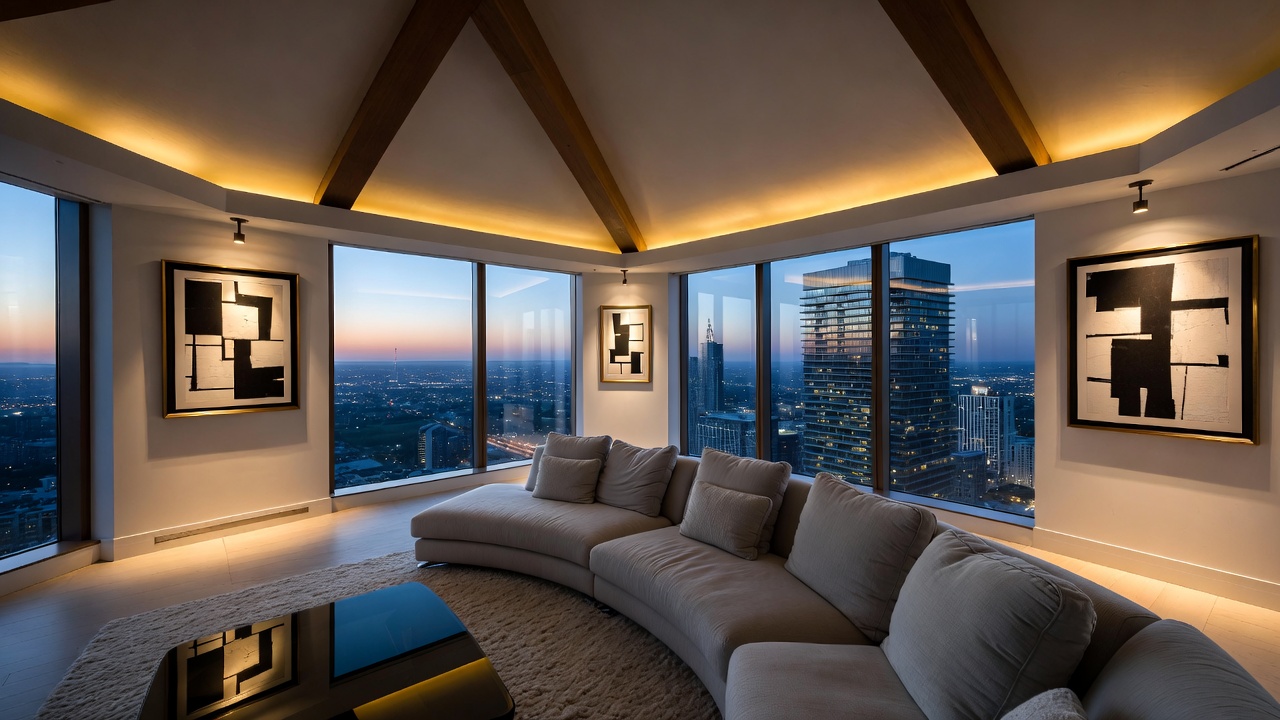
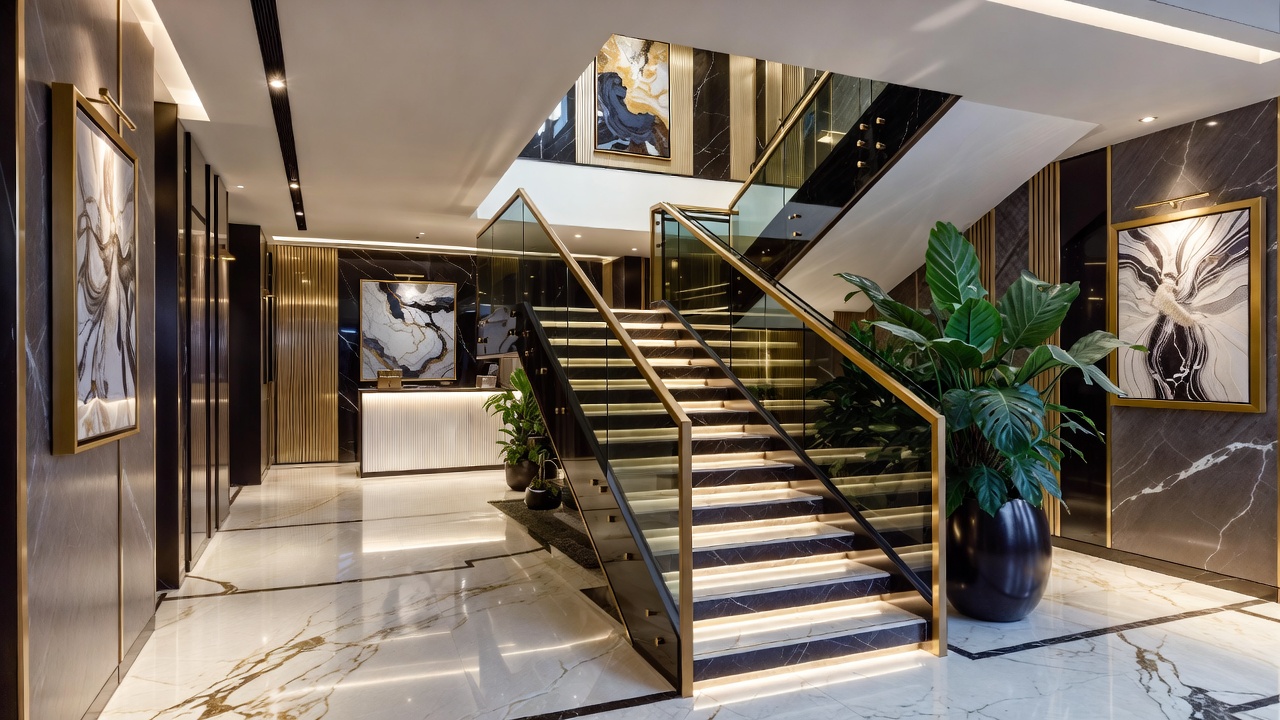
▸ WHY IT WORKS — Three things, stacked. Access — the Ayalon and Savidor Central station are on the doorstep, so the whole country is reachable without driving through the city. Separation — the gate-and-garden layout keeps the street at arm’s length. Service — every tower runs 24/7 security, parking, and amenities, so an apartment can be locked and left for months and still be looked after.
For an international buyer, that last point is the quiet decider. Park Tzameret is one of the few places in Israel designed, from the ground plan up, to be lived in part-time without penalty. You can arrive after a long flight, drop your bags, and find the building has been waiting for you exactly as you left it.